
Looking for a dinner that combines bold Cajun flavor with irresistibly creamy pasta? Cajun Garlic Shrimp with Creamy Garlic Parmesan Spaghetti brings together juicy seasoned shrimp, buttery garlic, a hint of lemon, and a rich Parmesan cream sauce in one satisfying meal.
The shrimp are quickly cooked in butter and olive oil until beautifully golden around the edges, then finished with Cajun seasoning, smoked paprika, and fresh garlic. Meanwhile, spaghetti is coated in a velvety sauce made with heavy cream, Parmesan, and mozzarella. A little reserved pasta water brings everything together, creating a smooth sauce that clings beautifully to every strand.
This is the kind of pasta dinner that feels restaurant-inspired without requiring complicated techniques. It comes together quickly, making it ideal for a busy evening, while the combination of spicy shrimp and creamy garlic Parmesan sauce makes it special enough for a relaxed weekend dinner.
Table of Contents
Table of Contents
Why You’ll Love This Recipe
There is something especially satisfying about pairing bold, seasoned shrimp with a smooth and cheesy pasta sauce.
The Cajun seasoning gives the shrimp a warm, savory kick, while smoked paprika adds a subtle smoky note. Garlic and butter provide the foundation, and a small amount of lemon juice brings freshness to balance the richness.
The pasta itself is equally delicious. Parmesan adds a deep, nutty flavor, while mozzarella gives the sauce extra creaminess and a smooth texture.
Best of all, the recipe uses one skillet for the shrimp and sauce, which means less cleanup after dinner.
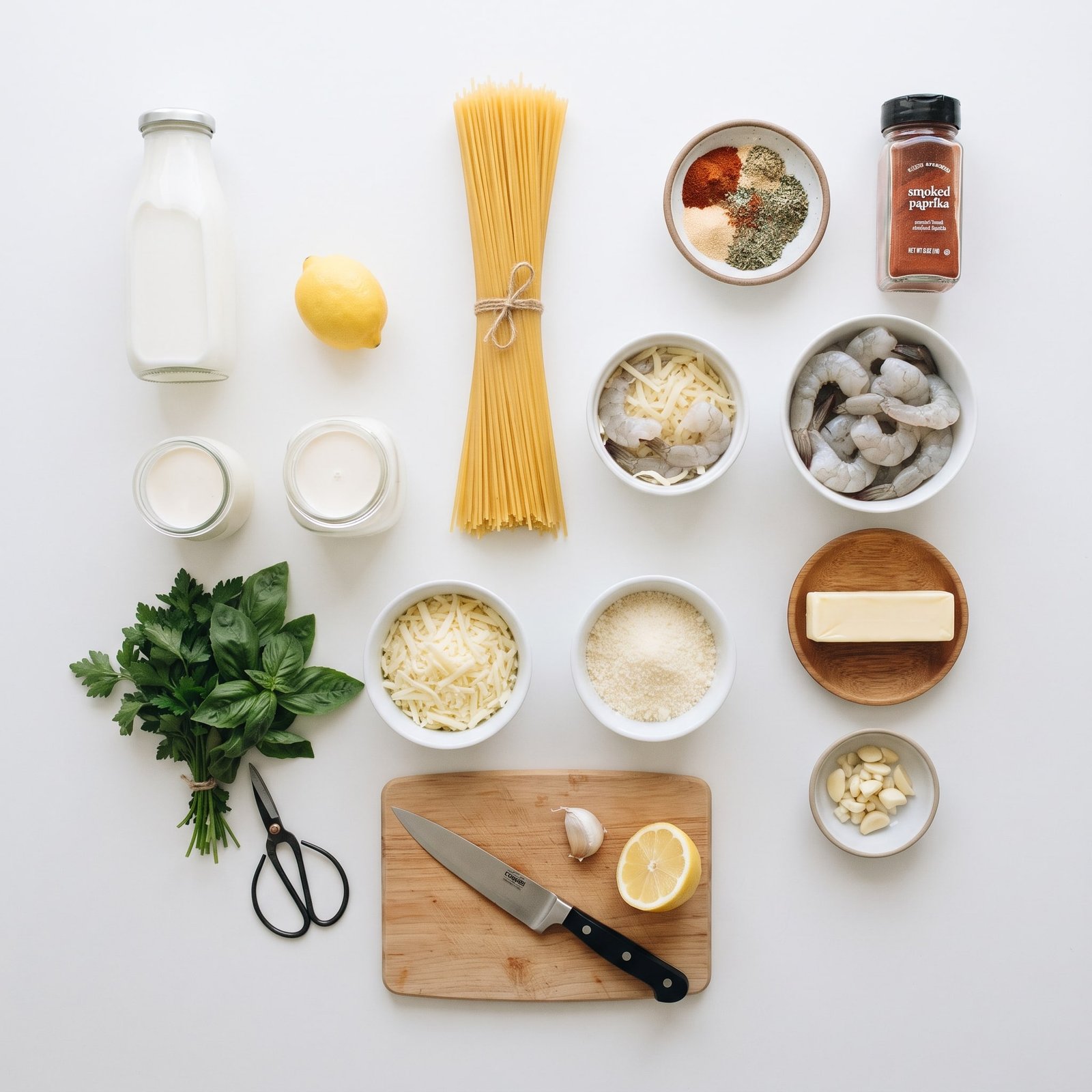
Choose Your Ingredients
Shrimp
Use raw shrimp that have been peeled and deveined. Medium-large or large shrimp are particularly convenient because they are substantial enough to sear beautifully while remaining tender.
Fresh or properly thawed frozen shrimp both work. If using frozen shrimp, thaw them completely and pat them very dry before cooking.
Garlic
Freshly minced garlic gives this recipe its signature aroma. Four cloves are enough to flavor the shrimp without overpowering the creamy Parmesan sauce.
Cajun Seasoning
Cajun seasoning provides the main flavor and heat. Because different blends contain different amounts of salt and spice, taste the sauce before adding additional salt.
Parmesan and Mozzarella
Freshly grated Parmesan melts smoothly into the cream and creates the savory foundation of the sauce. Mozzarella adds a mild, creamy finish and helps give the sauce a luxurious texture.
Spaghetti
Spaghetti is perfect for this recipe because the creamy sauce wraps around the long strands. Cook it just until al dente so it maintains enough texture after being tossed with the hot sauce.
Ingredients
For the Spaghetti
- 12 oz spaghetti
- 1 tablespoon salt for the pasta water
For the Cajun Garlic Shrimp
- 1 lb raw shrimp, peeled and deveined
- 2 tablespoons unsalted butter
- 1 tablespoon olive oil
- 4 garlic cloves, minced
- 1½ teaspoons Cajun seasoning
- ½ teaspoon smoked paprika
- ¼ teaspoon salt
- ¼ teaspoon black pepper
- ½ teaspoon fresh lemon juice
For the Creamy Parmesan Sauce
- 2 tablespoons unsalted butter
- 1 cup heavy cream
- ½ cup whole milk
- 1 cup freshly grated Parmesan cheese
- ½ cup shredded mozzarella
- ½ teaspoon Italian seasoning
- ¼ teaspoon garlic powder
- ¼ teaspoon onion powder
- ¼ teaspoon Cajun seasoning
- ½–1 cup reserved pasta water, as needed
For Serving
- Freshly chopped parsley
- Extra Parmesan, optional
- Lemon wedges, optional
How to Make Cajun Garlic Shrimp with Creamy Parmesan Spaghetti
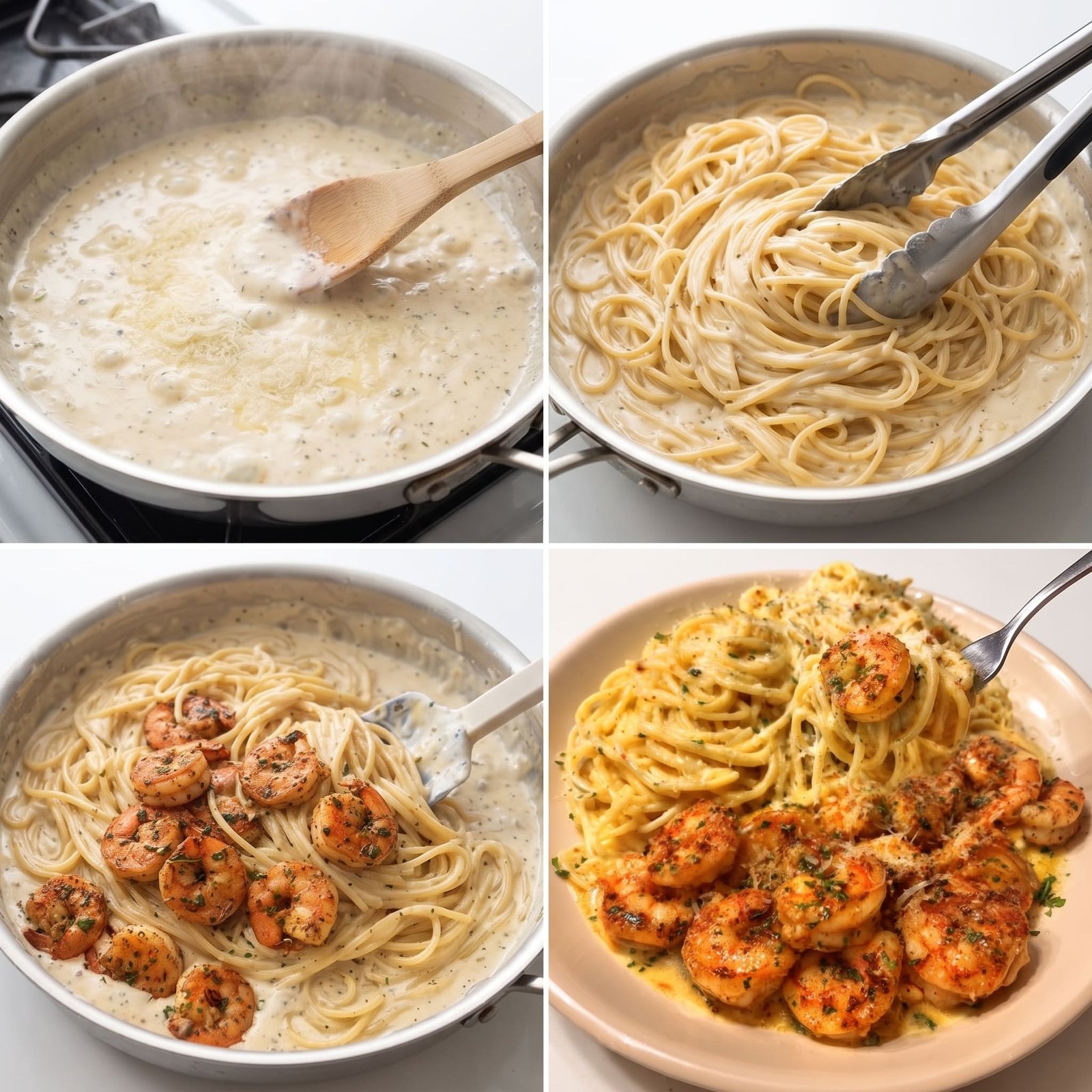
1. Cook the Spaghetti
Bring a large pot of water to a rolling boil.
Season the water generously with salt, then add the spaghetti. Cook according to the package instructions until al dente.
Before draining, reserve about 1 cup of the pasta water.
Drain the spaghetti well and set it aside. Do not rinse it, since the natural starch remaining on the pasta helps the creamy sauce adhere to the strands.
2. Prepare the Shrimp
If you’re using frozen shrimp, make sure they are completely thawed.
Pat the shrimp thoroughly with paper towels to remove excess moisture. This step may seem small, but it makes a major difference when searing shrimp.
Wet shrimp tend to release water into the skillet instead of developing those flavorful golden edges.
3. Heat the Skillet
Place a large, deep skillet over medium-high heat.
Add the olive oil and 2 tablespoons of butter.
Once the butter has melted and the skillet is hot, you’re ready to cook the shrimp.
The combination of butter and olive oil gives the shrimp a rich flavor while allowing them to cook at a relatively high temperature.
4. Add the Garlic
Add the minced garlic to the hot butter mixture.
Cook for only a few seconds, stirring constantly, until the garlic becomes fragrant.
Do not let it become dark brown. Burnt garlic can taste bitter and will affect the flavor of the entire dish.
5. Season the Shrimp
Add the prepared shrimp to the skillet.
Immediately sprinkle them with Cajun seasoning, smoked paprika, salt, and black pepper.
Toss the shrimp gently so the seasonings coat them evenly.
6. Sear the Shrimp
Cook the shrimp for approximately 2 minutes on the first side, then turn them and cook for another 1–2 minutes.
The exact cooking time depends on their size.
They are ready when they become opaque and pink with lightly browned edges.
Try not to overcook them. Shrimp continue cooking from residual heat, and excessive cooking can make them firm and rubbery.
7. Finish with Lemon
Once the shrimp are cooked, drizzle the lemon juice over them.
Give the shrimp a gentle toss so the citrus mixes with the buttery Cajun seasoning.
Transfer the shrimp to a clean plate and set aside.
Leave the flavorful butter and juices in the skillet. They will become part of the creamy sauce.
Make the Creamy Garlic Parmesan Sauce
8. Melt the Remaining Butter
Reduce the heat to medium.
Add the remaining 2 tablespoons of butter to the same skillet.
Let it melt, using a wooden spoon or spatula to loosen any flavorful bits left behind by the shrimp.
9. Add the Cream and Milk
Pour in the heavy cream and whole milk.
Stir gently and allow the mixture to warm.
Keep the heat moderate. The dairy should gently simmer rather than boil aggressively.
10. Add the Cheese
Gradually add the freshly grated Parmesan and shredded mozzarella.
Stir continuously but gently as the cheese melts into the cream.
Within a few minutes, the sauce should become smooth, creamy, and glossy.
If the sauce becomes too thick, add a small splash of reserved pasta water.
11. Season the Sauce
Add the Italian seasoning, garlic powder, onion powder, and Cajun seasoning.
Stir until all the seasonings are evenly incorporated.
Taste the sauce before adding extra salt. Parmesan and Cajun seasoning can already contribute plenty of salt.
Bring the Pasta Together
12. Add the Spaghetti
Transfer the cooked spaghetti directly into the skillet.
Using pasta tongs, toss the spaghetti through the creamy sauce.
Lift and turn the strands several times so the sauce reaches every part of the pasta.
If the sauce is too thick, add reserved pasta water one tablespoon at a time.
The goal is a silky sauce that coats the spaghetti without becoming watery.
13. Return the Shrimp
Add the cooked Cajun shrimp back to the skillet.
Gently fold them into the spaghetti and sauce.
Allow everything to heat together for about 1 minute.
Since the shrimp are already cooked, avoid simmering them for an extended period.
14. Finish and Serve
Remove the skillet from the heat.
Give the pasta one final gentle toss.
Serve immediately with fresh parsley and additional Parmesan if desired.
A small lemon wedge on the side is also a great addition for anyone who enjoys a brighter finish.
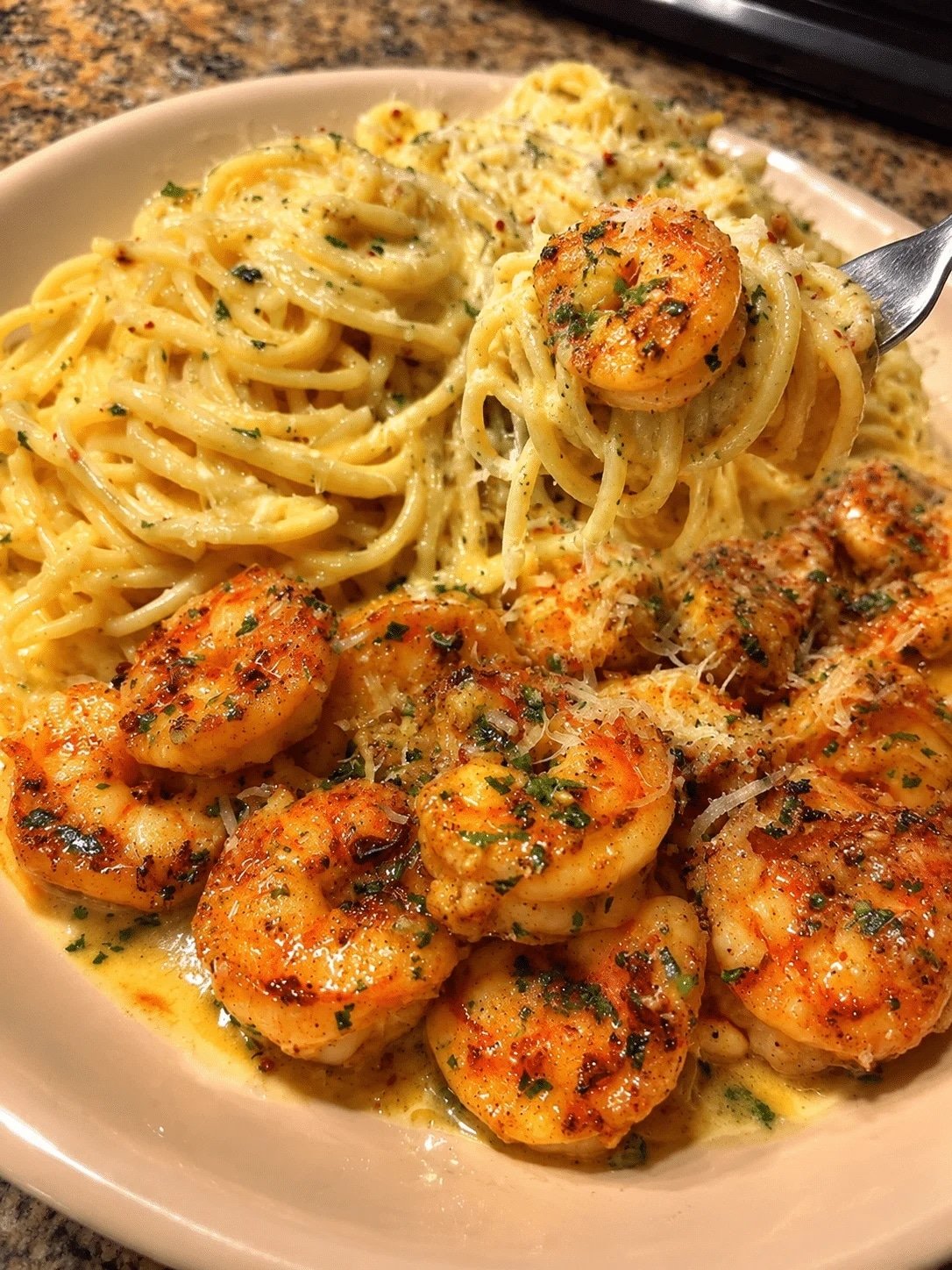
Tips for Perfect Cajun Shrimp Pasta
Pat the Shrimp Completely Dry
Moisture is one of the biggest enemies of good browning. Drying the shrimp before cooking helps them sear instead of steam.
Don’t Overcook the Shrimp
Shrimp cook surprisingly quickly. Once they become opaque and pink, they are generally ready.
Grate the Parmesan Fresh
Freshly grated Parmesan melts much more smoothly into a cream sauce than many packaged pre-grated varieties.
Keep the Sauce at a Gentle Heat
High heat can cause a cheese-based cream sauce to separate or become grainy. Keep the temperature moderate, especially after adding the cheese.
Save the Pasta Water
The starchy water isn’t just leftover cooking liquid. A small amount can transform a thick cheese sauce into a silky coating that clings beautifully to spaghetti.
Taste Before Adding More Salt
Cajun seasoning and Parmesan both contain salt. Always taste first before adding additional seasoning.
How to Make It Even Better
For a stronger Cajun profile, you can add a small amount of extra Cajun seasoning to the shrimp immediately before they hit the skillet. Keep in mind that spice levels and salt content vary significantly between Cajun seasoning brands.
If you enjoy smoky flavors, slightly increasing the smoked paprika can add another layer of depth without changing the creamy character of the sauce.
Fresh parsley adds a welcome contrast to the rich sauce, while a small squeeze of lemon just before serving can brighten the whole dish.
An air fryer can also be useful while preparing this meal. Try serving the pasta with a side of air-fried broccoli, asparagus, or zucchini for a simple vegetable accompaniment.
A large skillet, sturdy pasta tongs, a large pot, and a fine cheese grater are the essential kitchen utensils you’ll want nearby.
Easy Variations
Creamy Cajun Shrimp and Spinach
Add two generous handfuls of fresh baby spinach to the cream sauce. Allow it to wilt before adding the spaghetti.
Add Broccoli
Cook small broccoli florets until tender and fold them into the finished pasta.
Make It Spicier
For more heat, add crushed red pepper flakes or a small pinch of cayenne pepper to the shrimp seasoning.
Add Sun-Dried Tomatoes
Chopped sun-dried tomatoes provide a slightly sweet and tangy contrast to the creamy Parmesan sauce.
Add Mushrooms
Sauté sliced mushrooms before preparing the sauce. Their earthy flavor pairs particularly well with garlic, Parmesan, and Cajun seasoning.
Make It with Chicken
Replace the shrimp with bite-sized chicken breast pieces. Cook the chicken thoroughly before moving on to the cream sauce.
Change the Pasta
Spaghetti isn’t the only option. Linguine, fettuccine, penne, rigatoni, or bowtie pasta can all work beautifully.
Long pasta gives you a classic creamy pasta presentation, while ridged short pasta is excellent at holding onto the sauce.
Serving Suggestions
This Cajun shrimp spaghetti is rich and satisfying on its own, but a few simple sides can round out the meal.
Serve it with:
- Garlic bread
- A fresh green salad
- Roasted broccoli
- Steamed asparagus
- Air-fried zucchini
- Sautéed spinach
- A simple tomato salad
A crisp green salad with a light lemon dressing is especially good because the acidity provides contrast to the creamy sauce.
For a relaxed dinner, serve the spaghetti directly from the skillet with extra Parmesan and fresh parsley on top.
Storage and Reheating
This pasta is at its best immediately after cooking, while the Parmesan sauce is still smooth and glossy.
If you have leftovers, allow them to cool slightly before transferring them to an airtight container.
Refrigerate for up to 3 days.
Best Way to Reheat
Place the pasta in a skillet over low heat.
Add a small splash of milk, cream, or water and gently stir while reheating.
The additional liquid helps loosen the sauce and restore some of its original creaminess.
Avoid high heat. Rapid reheating can cause the cheese sauce to separate and may make the shrimp tough.
Frequently Asked Questions
Can I use frozen shrimp?
Yes. Frozen shrimp work very well as long as they are completely thawed before cooking. Pat them very dry with paper towels before seasoning and searing.
What size shrimp is best?
Medium-large or large shrimp are ideal. They are large enough to develop good browning while remaining tender and juicy.
Can I make the pasta less spicy?
Absolutely. Reduce the amount of Cajun seasoning or choose a mild Cajun blend. You can also leave out any additional crushed red pepper or cayenne.
Why did my Parmesan sauce become grainy?
Excessive heat is usually the main culprit. Keep the cream mixture at a gentle temperature and avoid aggressively boiling the sauce after adding the cheese.
Freshly grated Parmesan can also help create a smoother sauce.
Can I replace heavy cream with half-and-half?
Yes. Half-and-half will create a lighter sauce, although it may not be quite as thick and rich. You may need slightly more reduction time to achieve the desired consistency.
Can I use pre-shredded Parmesan?
You can, but freshly grated Parmesan is preferable for a creamy sauce because it generally melts more evenly.
What vegetables pair well with this pasta?
Broccoli, spinach, asparagus, zucchini, mushrooms, and bell peppers all complement the Cajun shrimp and creamy garlic Parmesan sauce.
Conclusion
Cajun Garlic Shrimp with Creamy Garlic Parmesan Spaghetti is the perfect combination of bold seasoning and comforting creaminess. The shrimp are quickly seared with garlic, butter, Cajun seasoning, smoked paprika, and lemon, while the spaghetti is coated in a smooth Parmesan and mozzarella sauce.
The secret to the best texture is simple: dry the shrimp well, avoid overcooking them, keep the cheese sauce gentle, and use a little reserved pasta water whenever the sauce needs loosening.
Finished with fresh parsley and extra Parmesan, this creamy shrimp pasta makes an impressive yet wonderfully easy dinner that can be on the table in about 40 minutes.

Ingredients
Method
- Cook the Spaghetti
- Bring a large pot of water to a rolling boil.
- Season the water generously with salt, then add the spaghetti. Cook according to the package instructions until al dente.
- Before draining, reserve about 1 cup of the pasta water.
- Drain the spaghetti well and set it aside. Do not rinse it, since the natural starch remaining on the pasta helps the creamy sauce adhere to the strands.
- Prepare the Shrimp
- If you’re using frozen shrimp, make sure they are completely thawed.
- Pat the shrimp thoroughly with paper towels to remove excess moisture. This step may seem small, but it makes a major difference when searing shrimp.
- Wet shrimp tend to release water into the skillet instead of developing those flavorful golden edges.
- Heat the Skillet
- Place a large, deep skillet over medium-high heat.
- Add the olive oil and 2 tablespoons of butter.
- Once the butter has melted and the skillet is hot, you’re ready to cook the shrimp.
- The combination of butter and olive oil gives the shrimp a rich flavor while allowing them to cook at a relatively high temperature.
- Add the Garlic
- Add the minced garlic to the hot butter mixture.
- Cook for only a few seconds, stirring constantly, until the garlic becomes fragrant.
- Do not let it become dark brown. Burnt garlic can taste bitter and will affect the flavor of the entire dish.
- Season the Shrimp
- Add the prepared shrimp to the skillet.
- Immediately sprinkle them with Cajun seasoning, smoked paprika, salt, and black pepper.
- Toss the shrimp gently so the seasonings coat them evenly.
- Sear the Shrimp
- Cook the shrimp for approximately 2 minutes on the first side, then turn them and cook for another 1–2 minutes.
- The exact cooking time depends on their size.
- They are ready when they become opaque and pink with lightly browned edges.
- Try not to overcook them. Shrimp continue cooking from residual heat, and excessive cooking can make them firm and rubbery.
- Finish with Lemon
- Once the shrimp are cooked, drizzle the lemon juice over them.
- Give the shrimp a gentle toss so the citrus mixes with the buttery Cajun seasoning.
- Transfer the shrimp to a clean plate and set aside.
- Leave the flavorful butter and juices in the skillet. They will become part of the creamy sauce.
- Make the Creamy Garlic Parmesan Sauce
- Melt the Remaining Butter
- Reduce the heat to medium.
- Add the remaining 2 tablespoons of butter to the same skillet.
- Let it melt, using a wooden spoon or spatula to loosen any flavorful bits left behind by the shrimp.
- Add the Cream and Milk
- Pour in the heavy cream and whole milk.
- Stir gently and allow the mixture to warm.
- Keep the heat moderate. The dairy should gently simmer rather than boil aggressively.
- Add the Cheese
- Gradually add the freshly grated Parmesan and shredded mozzarella.
- Stir continuously but gently as the cheese melts into the cream.
- Within a few minutes, the sauce should become smooth, creamy, and glossy.
- If the sauce becomes too thick, add a small splash of reserved pasta water.
- Season the Sauce
- Add the Italian seasoning, garlic powder, onion powder, and Cajun seasoning.
- Stir until all the seasonings are evenly incorporated.
- Taste the sauce before adding extra salt. Parmesan and Cajun seasoning can already contribute plenty of salt.
- Bring the Pasta Together
- Add the Spaghetti
- Transfer the cooked spaghetti directly into the skillet.
- Using pasta tongs, toss the spaghetti through the creamy sauce.
- Lift and turn the strands several times so the sauce reaches every part of the pasta.
- If the sauce is too thick, add reserved pasta water one tablespoon at a time.
- The goal is a silky sauce that coats the spaghetti without becoming watery.
- Return the Shrimp
- Add the cooked Cajun shrimp back to the skillet.
- Gently fold them into the spaghetti and sauce.
- Allow everything to heat together for about 1 minute.
- Since the shrimp are already cooked, avoid simmering them for an extended period.
- Finish and Serve
- Remove the skillet from the heat.
- Give the pasta one final gentle toss.
- Serve immediately with fresh parsley and additional Parmesan if desired.
- A small lemon wedge on the side is also a great addition for anyone who enjoys a brighter finish.